Ultimate Guide to the Different Types of Roofing: What’s Best for Your Home?
When it comes to roofing, not all materials are created equal. Whether you’re building a new home, replacing an old roof, or planning a renovation, the type of roof you choose can significantly impact your home’s durability, appearance, energy efficiency, and long-term maintenance costs.
In this guide, we’ll explore the most common types of roofing materials used across New Zealand and help you understand the pros and cons of each. By the end, you’ll be better equipped to choose the roofing solution that suits your home, your location, and your budget.
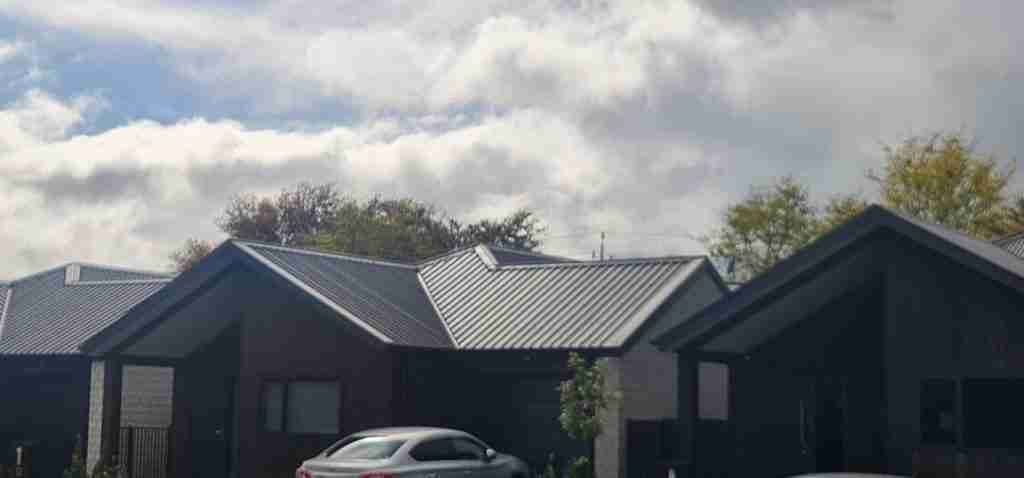
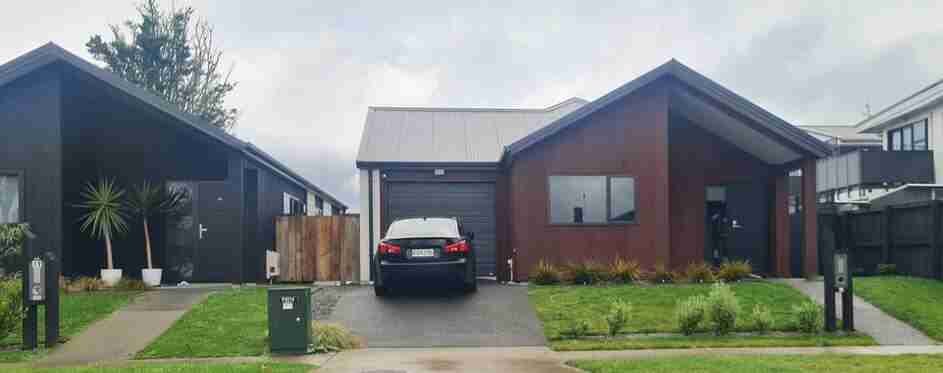
1. Metal Roofing (Including Colorsteel)
Metal roofing is one of the most popular choices in regions like Hamilton and the greater Waikato due to its durability and weather resistance. One of the most widely used products in this category is Colorsteel—a New Zealand-made, pre-painted steel designed to withstand local climate conditions.
Pros:
- Long lifespan (30+ years)
- Resistant to corrosion, wind, and rain
- Lightweight and low maintenance
- Available in a range of colours and profiles
Cons:
- Higher upfront cost than some other options
- Can be noisy in heavy rain if not insulated properly
Best for: All types of Homes in rural, coastal, and high rainfall areas where durability and weatherproofing are priorities.
2. Asphalt Shingles
Asphalt shingles are widely used overseas, particularly in North America, but are also becoming more common in New Zealand residential builds. They offer flexibility in design and are a cost-effective option.
Pros:
- Affordable and easy to install
- Available in many colours and textures
- Moderate durability (15–30 years)
Cons:
- Can be prone to cracking in extreme weather
- Shorter lifespan compared to metal roofing
Best for: Homeowners looking for an affordable yet stylish option in moderate climate areas.
3. Clay and Concrete Tiles
Tile roofing, whether made from clay or concrete, is known for its classic look and strength. It’s a traditional roofing material that remains popular in warmer or drier regions.
Pros:
- Aesthetic appeal, particularly for Mediterranean or Spanish-style homes
- Long-lasting (40–50 years or more)
- Fire-resistant
Cons:
- Heavy – may require structural reinforcement
- Can crack under impact (e.g., falling branches)
- Expensive to install and repair
Best for: Homes with strong roof structures in warm or dry climates.
4. Bitumen Membrane Roofing (Torch-on Roofing)
Commonly used for flat or low-slope roofs, torch-on roofing is a bitumen-based material that’s applied in layers and sealed using heat.
Pros:
- Waterproof and UV-resistant
- Suitable for flat roofs and commercial buildings
- Low maintenance when properly installed
Cons:
- Requires professional installation
- Not as visually appealing as tiled or metal options
Best for: Flat or low-slope residential roofs, garages, and commercial properties.
5. Slate Roofing
Slate is a premium roofing material known for its natural appearance and extreme longevity. While it’s not as common in New Zealand due to its cost and weight, it’s used in high-end or heritage properties.
Pros:
- Timeless natural look
- Very long lifespan (up to 100 years)
- Fireproof and environmentally friendly
Cons:
- Very heavy
- High material and installation costs
- Requires specialised installation skills
Best for: Heritage restorations, high-end homes, or homeowners focused on aesthetics and sustainability.
6. Corrugated Iron
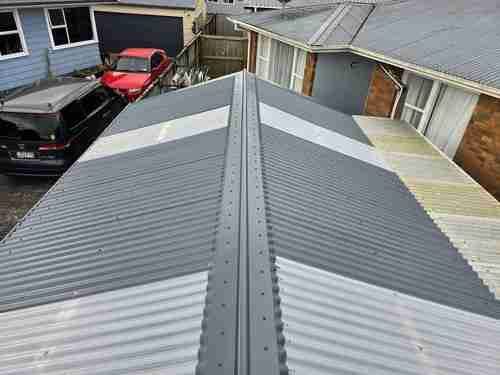
Corrugated iron is one of New Zealand’s most iconic roofing materials. While often grouped with general metal roofing, traditional corrugated iron has its own rustic appeal and practical benefits.
Pros:
- Lightweight and fast to install
- Cost-effective
- Excellent rainwater runoff
Cons:
- Requires painting/coating for rust protection
- Shorter lifespan than Colorsteel
Best for: Farm buildings, sheds, and rustic or traditional-style homes.
7. Green or Living Roofs
Although still niche in New Zealand, green roofs—roofs covered in vegetation—are gaining popularity for their sustainability and thermal benefits.
Pros:
- Natural insulation
- Reduces stormwater runoff
- Environmentally friendly
Cons:
- Expensive to install and maintain
- Needs careful waterproofing and structural planning
Best for: Eco-conscious homeowners or modern architectural builds.
Which Roofing Material Should You Choose?
There’s no one-size-fits-all answer. Your ideal roofing material will depend on a mix of factors:
- Climate: Metal roofing is great for areas with heavy rain and wind, while tiles suit warmer regions.
- Budget: Asphalt shingles and corrugated iron are more affordable, while slate and tiles are premium options.
- Aesthetics: Some materials suit modern homes, while others work better for traditional or heritage designs.
- Longevity: If you plan to stay in your home long-term, investing in a higher-end roof may save you more over time.
If you’re unsure, speak with a local roofing professional who understands Hamilton’s climate and council requirements. An experienced contractor can recommend roofing solutions that balance durability, visual appeal, and cost-effectiveness.
Final Thoughts
Choosing the right type of roofing is a big decision, and it’s worth taking the time to evaluate your options. From the widely popular Colorsteel roofs to the elegant charm of slate, each material brings unique benefits to the table.
If you’re planning a re-roofing or roof replacement or a new build in Hamilton or the surrounding areas, our team is here to help. We specialise in roofing solutions tailored to New Zealand homes and can guide you from selection through to installation.
Need expert advice on your roofing project?
Get in touch with Roofing Repairs Hamilton team today for a free consultation and quote.