How Hamilton’s Humidity Impacts Metal Roofs: What Homeowners Need to Know
Hamilton’s climate plays a big role in how well your home holds up over time—especially when it comes to your roof. One of the most common choices for roofing in Hamilton is metal roofing, thanks to its durability, sleek appearance, and ability to shed rain. But with Hamilton’s high humidity levels, homeowners often wonder: How does all that moisture affect my metal roof?
In this blog, we’ll explore how humidity impacts metal roofs in Hamilton, what types of problems can arise, how to prevent them, and why regular maintenance is essential. If you’re a homeowner or property manager in the Waikato region, this article will give you the insights you need to keep your roof in top shape for decades to come.
Understanding Hamilton’s Humid Climate
Hamilton sits in the heart of the Waikato Basin, known for its fertile soils and lush greenery. That lush environment comes at a cost—frequent rainfall and consistently high humidity levels, especially during the warmer months.
- Annual rainfall: Over 1,100 mm on average
- Average relative humidity: Typically ranges from 75% to 85%
- Climate type: Oceanic (Cfb), with damp winters and warm, humid summers
These conditions mean that moisture is a constant presence in the environment, and that has real implications for roofing materials—especially metals.
The Appeal of Metal Roofing in Hamilton
Before diving into the effects of humidity, it’s worth recapping why metal roofs are so popular in Hamilton and across New Zealand:
- Durability – With proper care, metal roofs can last 30–50 years
- Low maintenance – They resist moss and algae better than tile or shingle roofs
- Lightweight – Less stress on your building’s structural frame
- Great for water runoff – Especially important in high-rainfall areas like Hamilton
- Eco-friendly options – Recyclable materials and reflective coatings reduce energy use
However, even the most durable materials can be affected by prolonged exposure to moisture—particularly if they’re not properly maintained or installed.
How Humidity Impacts Metal Roofs
1. Increased Risk of Corrosion and Rust
Humidity means moisture in the air. Over time, if that moisture is allowed to settle on unprotected metal, it can lead to oxidation—the process that causes rust. While most metal roofs today are coated with rust-resistant finishes, no material is completely immune.
Contributing factors:
- Poor-quality coatings or scratches on the protective layer
- Condensation buildup underneath roof sheets
- Coastal influence (salty air) even though Hamilton is inland
- Trapped debris or moisture in roof seams or fasteners
What it leads to:
Visible rust spots, structural weakening, and eventual roof failure if not addressed.
2. Condensation Problems
Humidity doesn’t just sit on the outside of your roof—it also affects the inside. When warm, moist air inside your attic or ceiling cavity meets the cooler underside of a metal roof, condensation forms. This is one of the biggest hidden threats to metal roofs.
Common signs of condensation issues:
- Damp insulation
- Water droplets or dampness on rafters
- Mould or mildew smells in the ceiling cavity
- Paint peeling or water marks on interior ceilings
Long-term effect:
Mould growth, rot in wooden structures, damage to insulation, and reduced thermal efficiency.
3. Thermal Expansion and Contraction
Hamilton’s humid climate is also quite temperate, but we do experience warm, sunny days followed by cool, damp nights. This temperature swing—combined with moisture—causes metal roofs to expand and contract more than they would in drier climates.
While most modern roofing systems are designed to accommodate movement, ongoing thermal stress can still:
- Loosen fasteners over time
- Cause minor gaps or misalignment
- Lead to small leaks if flashing or seals are affected
4. Growth of Moss and Lichen on Surrounding Areas
While metal roofs themselves are less prone to moss than concrete or tile roofs, humidity can still encourage organic growth—particularly in areas where water pools or where roofs are shaded by trees.
While this growth may not damage the metal directly, it can:
- Affect the visual appeal of your roof
- Hold moisture against the surface, increasing corrosion risk
- Clog gutters and downpipes, causing drainage issues
Preventing Humidity-Related Roof Issues in Hamilton
Fortunately, many of these problems can be prevented or minimized with a proactive approach to roof care. Here’s what we recommend:
1. Choose High-Quality Roofing Materials
Invest in metal roofing that’s made for New Zealand’s climate—like Colorsteel Endura® or Colorsteel Maxx®. These materials are specially designed to resist corrosion, even in high-moisture or coastal zones.
Look for:
- Galvanised or zincalume steel base layers
- Durable baked-on paint finishes
- Products with proven performance in humid or wet climates
2. Ensure Proper Roof Ventilation
Ventilation is critical in preventing condensation buildup. Make sure your roofing system includes:
- Adequate soffit vents or eave vents
- Ridge vents or gable-end vents
- Proper ceiling insulation to reduce temperature variation
Together, these allow your roof cavity to breathe, keeping moisture levels down and extending the life of your roof.
3. Regular Roof Inspections and Maintenance
Don’t wait for a visible problem to act. Schedule a roof inspection at least once a year—especially before and after winter.
A thorough inspection will check for:
- Rust or corrosion at seams and fasteners
- Moss or lichen starting to grow
- Loose panels or flashing
- Water staining inside the roof cavity
4. Keep Your Gutters Clear
Blocked gutters mean water stays on your roof longer than it should. In a humid climate like Hamilton, standing water is a recipe for trouble.
Clear your gutters:
- Every 3–6 months, or more often if surrounded by trees
- After major storms or high winds
- Using guards or filters if leaf litter is a recurring issue
5. Wash Your Roof Periodically
Dust, salt, bird droppings, and pollen can all settle on your roof and trap moisture. A gentle wash every 12–18 months can help maintain your coating and reduce long-term wear.
Use:
- Low-pressure water and a soft brush
- A mild detergent suited to painted surfaces
- Professional cleaning services for multi-storey homes or steep roofs
When to Replace a Humidity-Damaged Metal Roof
Even with the best care, there may come a time when a roof replacement is the safer and more cost-effective choice. Consider replacement if:
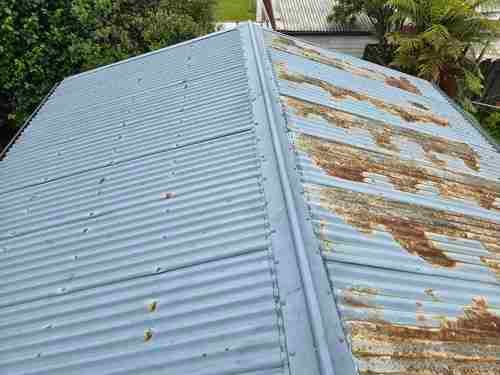
- Rust is widespread or structural
- Leaks keep returning despite repairs
- The roofing system is over 30 years old
- Fasteners are failing or the coating has worn off
If you’re unsure, a licensed roofing professional can assess the damage and help you weigh your options.
Why Work with a Local Hamilton Roofing Specialist?
Every region has unique climate challenges, and Hamilton’s humidity is no exception. Working with a local roofing contractor means you’re getting:
- Advice based on real, local experience
- Access to climate-appropriate materials
- Installation techniques that consider seasonal moisture and airflow
- Local knowledge of council requirements and compliance codes
At [Your Roofing Business Name], we specialise in helping homeowners across Hamilton and the Waikato region make smart, long-lasting choices for their roofs. Whether you need a full re-roof, minor repairs, or ongoing maintenance, we’re here to help you protect your home from the elements—rain, shine, or humidity.
Final Thoughts
Humidity is an unavoidable part of life in Hamilton—but that doesn’t mean it has to damage your home. With the right roofing materials, proper installation, and regular maintenance, your metal roof can perform beautifully for decades, even in a moisture-heavy environment.
If you’re seeing signs of rust, leaks, or condensation—or simply want peace of mind—now’s a great time to schedule a professional roof inspection.
Need help protecting your metal roof from Hamilton’s humid climate?
Get in touch with Roofing Repairs Hamilton team today for expert advice, a free quote, or to book a no-obligation roof assessment.