The Ultimate Guide to Roof Replacement in Waikato: What Homeowners Need to Know
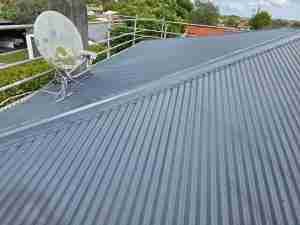
Roof replacement represents a major investment for Waikato homeowners. Understanding local conditions, material options, and the replacement process helps property owners make informed decisions that protect their homes for decades to come.
Understanding Waikato’s Unique Climate Challenges
The Waikato region experiences distinctive weather patterns that directly impact roofing performance across Hamilton, Cambridge, Te Awamutu, and surrounding communities.
Waikato climate characteristics:
- Annual rainfall exceeding 1,200mm in most areas
- High humidity levels averaging 75-85% year-round
- Strong westerly winds during seasonal transitions
- Temperature ranges from 2°C winter lows to 26°C summer highs
- Coastal salt exposure in western areas like Raglan
These conditions create constant challenges for roofing materials. Moisture exposure accelerates corrosion in metal roofing, while thermal cycling stresses tile and membrane systems. Professional roof replacement must account for these specific regional factors.
Hamilton’s urban heat island effect creates microclimates that affect roof performance differently across suburbs. Hillcrest properties face increased UV exposure, while Hamilton East homes near the Waikato River experience higher humidity levels.
Recognizing When Your Waikato Home Needs Roof Replacement
Early identification of roof deterioration prevents emergency situations and allows proper project planning. Waikato homeowners should monitor specific warning signs indicating replacement necessity.
Age and Historical Indicators
Most residential roofs in Waikato last 20-30 years depending on materials and maintenance quality. Properties built during the region’s growth periods in the 1980s and 1990s now approach replacement timeframes.
Common aging indicators include:
- Original corrugated iron showing rust penetration
- Clay tiles with hairline cracks from frost cycles
- Membrane systems with visible UV degradation
- Inadequate insulation by current building standards
Weather Damage Assessment
Waikato’s frequent storms gradually compromise roof integrity through accumulated damage. Single weather events rarely cause complete failure, but repeated exposure creates replacement necessity.
Monitor for progressive damage patterns:
- Tile displacement after strong wind events
- Fastener loosening from thermal expansion cycles
- Flashing deterioration around chimneys and penetrations
- Gutter separation affecting proper water management
Interior Warning Signs
Problems inside your home often indicate advanced roof system failure. Waikato’s high humidity makes these symptoms particularly noticeable during winter months.
Critical interior indicators:
- Brown or yellow water stains on ceilings
- Musty odors in roof spaces during humid periods
- Significant temperature variations between rooms
- Unexplained increases in heating and cooling costs
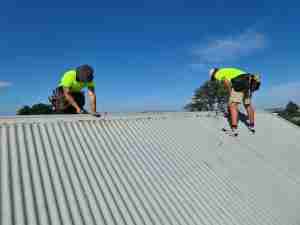
Optimal Roofing Materials for Waikato Conditions
Material selection significantly impacts long-term roof performance in Waikato’s challenging climate. Each option offers specific advantages for regional weather patterns and local building requirements.
Colorbond & Colorsteel Solutions
Colorsteel and Colorsteel roofing provides exceptional performance for Waikato’s wind and moisture conditions. Modern products offer superior corrosion resistance and thermal efficiency.
Colorbond & Colorsteel advantages for Waikato homes:
- 25-year manufacturer warranty against perforation
- Wind resistance suitable for regional storm conditions
- Thermal efficiency reducing energy consumption
- Lightweight design minimizing structural load requirements
- Color retention properties maintaining curb appeal
Lighter colors reflect solar heat effectively for Hamilton’s summer conditions, while darker shades provide passive heating benefits during cooler months.
Concrete Tile Systems
Concrete tiles excel in Waikato’s temperature variations while providing excellent thermal mass properties. These systems handle freeze-thaw cycles common in rural areas around Cambridge and Te Awamutu.
Tile system benefits:
- Superior thermal stability for energy efficiency
- Natural sound dampening from traffic and weather
- Fire resistance important for rural properties
- Design flexibility matching architectural styles throughout Waikato
- Long lifespan with proper installation and maintenance
Modern concrete tile profiles include improved water shedding capabilities and enhanced wind uplift resistance specifically designed for New Zealand conditions.
Advanced Membrane Solutions
Low-slope and flat roof areas require specialized membrane systems engineered for Waikato’s substantial rainfall patterns. Contemporary membranes offer superior waterproofing and thermal performance.
Professional membrane options:
- EPDM rubber membranes for flexibility and durability
- TPO systems for energy efficiency and reflectivity
- Modified bitumen for traditional reliability
- Liquid-applied membranes for complex architectural shapes
Proper installation includes drainage design specific to Waikato’s rainfall intensity and thermal movement accommodation for seasonal temperature changes.
Navigating Waikato Building Consent Requirements
Roof replacement projects require building consent approval throughout Waikato territorial authorities. Understanding specific requirements prevents project delays and ensures legal compliance.
Hamilton City Council Process
Hamilton City Council requires comprehensive building consent documentation for complete roof replacement projects. Applications must demonstrate structural adequacy and weather resistance.
Required Hamilton consent documentation:
- Detailed architectural plans showing roof layout and materials
- Structural engineering calculations for load requirements
- Product compliance certificates from approved suppliers
- Installation specifications meeting building code requirements
- Producer statements from licensed building practitioners
Standard residential roof replacement consents typically process within 10-20 working days for complete applications.
Waipa District Requirements (Cambridge and Te Awamutu)
Waipa District Council operates similar consent procedures with additional heritage considerations for older Cambridge properties. Some areas require heritage assessment before approval.
Rural properties may need additional documentation for:
- Fire safety access and egress requirements
- Wind zone classifications for exposed locations
- Environmental impact considerations near waterways
Waikato District and South Waikato Councils
Rural properties under Waikato District Council jurisdiction face specialised requirements for fire safety and environmental protection. Properties near significant waterways may require resource consent components.
South Waikato District Council maintains streamlined processes for standard residential projects while requiring detailed submissions for complex installations or heritage properties.
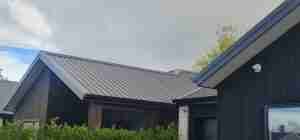
Comprehensive Cost Planning for Waikato Roof Replacement
Roof replacement costs vary significantly based on materials, installation complexity, and regional accessibility factors. Waikato homeowners should budget comprehensively for total project expenses.
Material Investment Considerations
Quality materials represent 40-50% of total project investment. Products specifically designed for New Zealand conditions provide better long-term value despite higher initial costs.
Waikato material cost ranges:
- Colorbond steel roofing: $50-70 per square meter installed
- Premium concrete tiles: $40-60 per square meter installed
- Commercial membrane systems: $65-95 per square meter installed
- Specialty materials (cedar, slate): $90-150 per square meter installed
These ranges include standard fastening systems and basic flashing but may require additional components for complex applications or heritage properties.
Professional Installation Investment
Skilled installation represents 50-60% of total project cost. Waikato’s experienced workforce ensures quality results but commands appropriate professional pricing.
Installation complexity factors affecting cost:
- Simple gable roof designs cost less per square meter
- Complex designs with multiple valleys and penetrations increase labor requirements
- Steep slope installations require additional safety equipment and time
- Heritage property work demands specialized techniques and materials
- Access limitations in established neighborhoods affect efficiency
Additional Project Considerations
Complete roof replacement often reveals related issues requiring professional attention. Budget 10-20% additional for potential expenses beyond basic material and labor costs.
Common additional project expenses:
- Structural repairs for damaged timber framing
- Insulation upgrades to current building standards
- Complete gutter and downpipe replacement systems
- Electrical modifications for ventilation and safety systems
- Building consent fees and mandatory inspection costs
Strategic Timing for Waikato Roof Replacement
Weather patterns significantly impact roof replacement scheduling throughout the Waikato region. Strategic timing ensures optimal installation conditions and project success.
Ideal Installation Seasons
Summer and early autumn provide the most favorable conditions for roof replacement projects across Hamilton, Cambridge, and surrounding areas. December through April offers the most reliable weather windows.
Summer installation advantages:
- Extended daylight hours maximizing daily productivity
- Reduced rainfall probability allowing uninterrupted work
- Optimal conditions for material curing and thermal settling
- Better site access for material delivery and waste removal
- Warmer temperatures improving worker safety and efficiency
Managing Challenging Weather Periods
Winter installations require careful weather monitoring and flexible scheduling approaches. June through August present the greatest challenges for exterior construction work throughout Waikato.
Winter installation management:
- Shortened working days reducing daily progress potential
- Increased rainfall requiring temporary weather protection systems
- Cold temperatures affecting material performance and worker productivity
- Limited site access during prolonged wet periods
- Higher material costs due to seasonal demand fluctuations
Professional contractors maintain sophisticated weather monitoring systems and adjust project schedules accordingly. Emergency replacement projects proceed year-round with appropriate protective measures and accelerated scheduling.
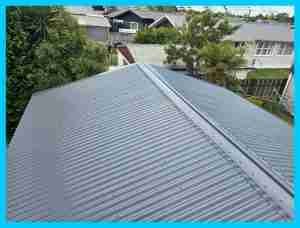
Selecting Qualified Waikato Roofing Professionals
Contractor selection significantly impacts both project success and long-term roof performance. Waikato homeowners should evaluate multiple qualification factors beyond initial pricing considerations.
Essential Professional Credentials
Licensed Building Practitioners (LBPs) provide quality assurance and legal compliance for roof replacement projects. Verify contractor credentials through official Building and Construction Industry Training Organisation databases.
Critical contractor qualifications:
- Current LBP registration with roofing specialty endorsement
- Comprehensive public liability and contractor insurance coverage
- Current health and safety certification and training
- Proven experience with local building consent processes
- Trade association memberships and professional development participation
Local Experience and Community Reputation
Contractors with extensive Waikato experience understand regional building challenges and established supplier relationships. Local reputation indicates consistent quality delivery across diverse project types.
Reputation research methods:
- Recent project references in similar Waikato neighborhoods
- Online review analysis across multiple platforms
- Better Business Bureau membership and complaint history
- Building industry association participation and standing
- Local supplier and subcontractor relationship quality
Project Management and Communication Systems
Complex roof replacement requires coordinated project management and clear communication protocols. Evaluate contractor systems for scheduling, progress reporting, and quality control implementation.
Professional project management indicators:
- Written project timelines with clearly defined milestones
- Regular communication schedules and progress reporting systems
- Systematic quality control inspection procedures at each stage
- Transparent change order management and approval processes
- Comprehensive cleanup and site restoration protocols
Understanding the Roof Replacement Process
Comprehensive understanding of the replacement process helps Waikato homeowners prepare adequately and manage realistic expectations throughout project duration.
Pre-Construction Planning Phase (3-6 weeks)
Thorough planning and preparation ensure smooth project execution and minimize weather-related delays. This phase includes design development, regulatory approval, and material procurement.
Pre-construction phase activities:
- Detailed roof assessment including structural evaluation
- Material selection based on architectural compatibility and performance requirements
- Building consent application preparation and submission
- Weather window identification and preliminary scheduling
- Site preparation planning including access and material storage arrangements
Active Construction Phase (5-15 days)
Physical roof removal and installation typically occurs within two weeks for standard residential projects. Complex architectural designs or adverse weather conditions may extend this timeframe significantly.
Construction sequence and timeline:
- Existing roof material systematic removal and disposal
- Structural inspection and necessary repair completion
- New roofing system installation following manufacturer specifications
- Integrated quality control inspections at each installation stage
- Final cleanup and site restoration to original condition
Project Completion and Warranty Phase (2-4 weeks)
Project finalization includes regulatory inspections, documentation delivery, and warranty registration. Building consent completion requires council final inspection and code compliance certification.
Completion phase requirements:
- Council final inspection scheduling and completion
- Manufacturer warranty registration and documentation delivery
- Contractor workmanship warranty explanation and registration
- Maintenance guidance and inspection schedule establishment
- Final project documentation and receipt processing
Maximizing Energy Efficiency Through Roof Replacement
Modern roof replacement provides significant opportunities for energy efficiency improvements. Waikato’s variable climate conditions make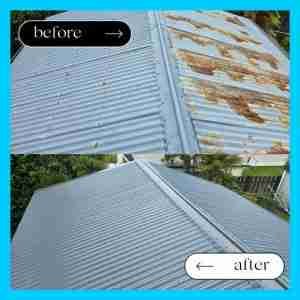 thermal performance enhancements particularly valuable for year-round comfort and cost savings.
Comprehensive Insulation Upgrades
Current building standards require substantially more insulation than older Waikato homes contain. Roof replacement provides optimal access for comprehensive insulation system improvement.
Insulation upgrade benefits:
- Reduced heating costs during Waikato’s cool winters
- Lower cooling expenses during summer heat periods
- Improved year-round comfort and temperature stability
- Effective moisture control reducing condensation problems
- Enhanced sound dampening from external noise sources
Advanced Ventilation System Integration
Proper roof ventilation prevents moisture accumulation and extends material lifespan significantly. Waikato’s high humidity levels make effective ventilation systems particularly important for preventing structural damage.
Ventilation system components:
- Continuous ridge vents for consistent air movement
- Strategically located eave vents for fresh air intake
- Powered exhaust systems for high-moisture areas
- Vapor barrier installation preventing moisture migration
- Integrated bathroom and kitchen exhaust coordination
Cool Roof Technology Implementation
Reflective roofing materials reduce heat absorption and cooling costs during Waikato’s warmer months. Light-colored materials work particularly effectively in the region’s moderate climate conditions.
Developing Long-Term Maintenance Strategies
Proper maintenance planning extends roof lifespan and protects replacement investment value. Waikato’s specific climate conditions require tailored maintenance approaches for optimal performance.
Professional Inspection Scheduling
Regular professional inspections identify developing problems before they cause significant damage or require emergency repairs. Schedule annual inspections with additional checks following severe weather events.
Inspection focus areas:
- Fastener security assessment and corrosion monitoring
- Flashing condition evaluation around all roof penetrations
- Gutter function testing and debris accumulation assessment
- Ventilation system operation verification and cleaning needs
Seasonal Maintenance Task Planning
Waikato’s distinct seasonal patterns require specific maintenance activities throughout the year for optimal roof performance and longevity.
Seasonal maintenance schedule:
Spring maintenance (September-November):
- Comprehensive gutter cleaning following autumn leaf accumulation
- Winter storm damage assessment and repair scheduling
- Moss and algae treatment application if growth present
- Ventilation system cleaning and operation verification
Summer maintenance (December-February):
- UV damage assessment on all exposed roofing materials
- Thermal expansion joint inspection and adjustment
- Insulation effectiveness evaluation during peak heat periods
- Integrated cooling system coordination and maintenance
Autumn maintenance (March-May):
- Pre-winter comprehensive weatherproofing inspection
- Leaf guard installation or intensive cleaning procedures
- Drainage system preparation for increased rainfall periods
- Emergency repair supply preparation and accessibility verification
Investment Protection and Warranty Management
Comprehensive warranty coverage protects roof replacement investment and ensures long-term performance security. Understanding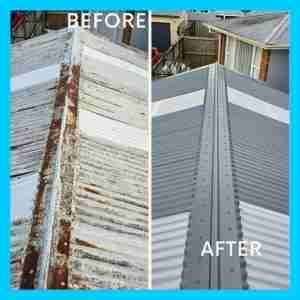 coverage terms and claim procedures provides maximum protection value.
Manufacturer Warranty Coverage
Roofing material manufacturers provide warranties covering material defects and specific performance criteria. Coverage terms vary significantly between products, manufacturers, and installation quality.
Typical warranty coverage periods:
- Material defect protection: 15-50 years depending on product quality
- Performance guarantees: 20-30 years for premium product lines
- Color fade resistance: 10-20 years for factory-finished surfaces
- Corrosion and perforation resistance: 25-50 years for steel products
Professional Installation Warranties
Licensed contractors provide workmanship warranties covering installation quality and technique. These warranties complement manufacturer coverage for comprehensive protection against all potential issues.
Installation warranty considerations:
- Workmanship coverage periods typically 5-10 years
- Coverage includes all installation-related problems and defects
- Professional repair and replacement commitment
- Integration with manufacturer warranty requirements and procedures
Insurance Policy Integration
Homeowner insurance policies typically cover sudden damage from storms and other covered events. Roof replacement may affect premium calculations, coverage terms, and claim procedures.
Making Informed Replacement Decisions
Roof replacement represents a significant investment requiring careful evaluation of multiple technical, financial, and practical factors. Systematic assessment ensures optimal outcomes for Waikato homeowners.
Comprehensive Cost-Benefit Analysis
Quality roof replacement provides immediate and long-term benefits justifying investment costs. Calculate total ownership costs including energy savings, maintenance reduction, and property value enhancement.
Investment return factors:
- Energy efficiency improvements reducing ongoing utility costs
- Maintenance cost reduction through superior materials and installation
- Property value enhancement for resale potential
- Insurance premium impacts and coverage improvements
- Long-term durability reducing future replacement frequency
Professional Consultation Value
Expert consultation helps navigate complex technical decisions and ensures optimal project outcomes. Professional assessment identifies opportunities and prevents costly mistakes throughout the replacement process.
Get Expert Roof Replacement Service in Waikato
Quality roof replacement requires combining technical expertise with comprehensive local knowledge. Waikato homeowners benefit from professional contractors who understand both advanced roofing science and regional climate challenges.
Are you ready to safeguard your Waikato home with a professional roof replacement?
Contact Roofing Repairs Hamilton today for a comprehensive assessment and detailed project planning consultation. Our experienced team understands Waikato’s unique weather challenges and delivers reliable solutions that protect your property investment for decades to come. Call now to schedule your personalised consultation and join satisfied homeowners throughout Hamilton, Cambridge, Te Awamutu, and surrounding areas who trust our expertise with their roofing needs.
Disclaimer
Educational Information Only: The information provided in this blog post is intended for educational and general informational purposes only. All cost estimates, timelines, material specifications, and technical details are approximations based on general industry standards. Every roofing project presents unique challenges based on property conditions, local building codes, material availability, and weather factors. Before proceeding with any roof replacement project, homeowners should obtain multiple professional assessments, verify contractor qualifications, research current building consent requirements, and consult with qualified roofing contractors and relevant local authorities to ensure compliance with current building standards and safety requirements.